Showing posts with label black sapote. Show all posts

Tuesday, May 12, 2020

Day 53 Tree planting.

As the clouds grow so do our hopes for rain.

Last week over 100 trees were planted on the property after the rains the weeks before.

Now going on our second week without rain Cory is holding off again to plant more trees, as yesterday it took 4 guys all day to water trees.

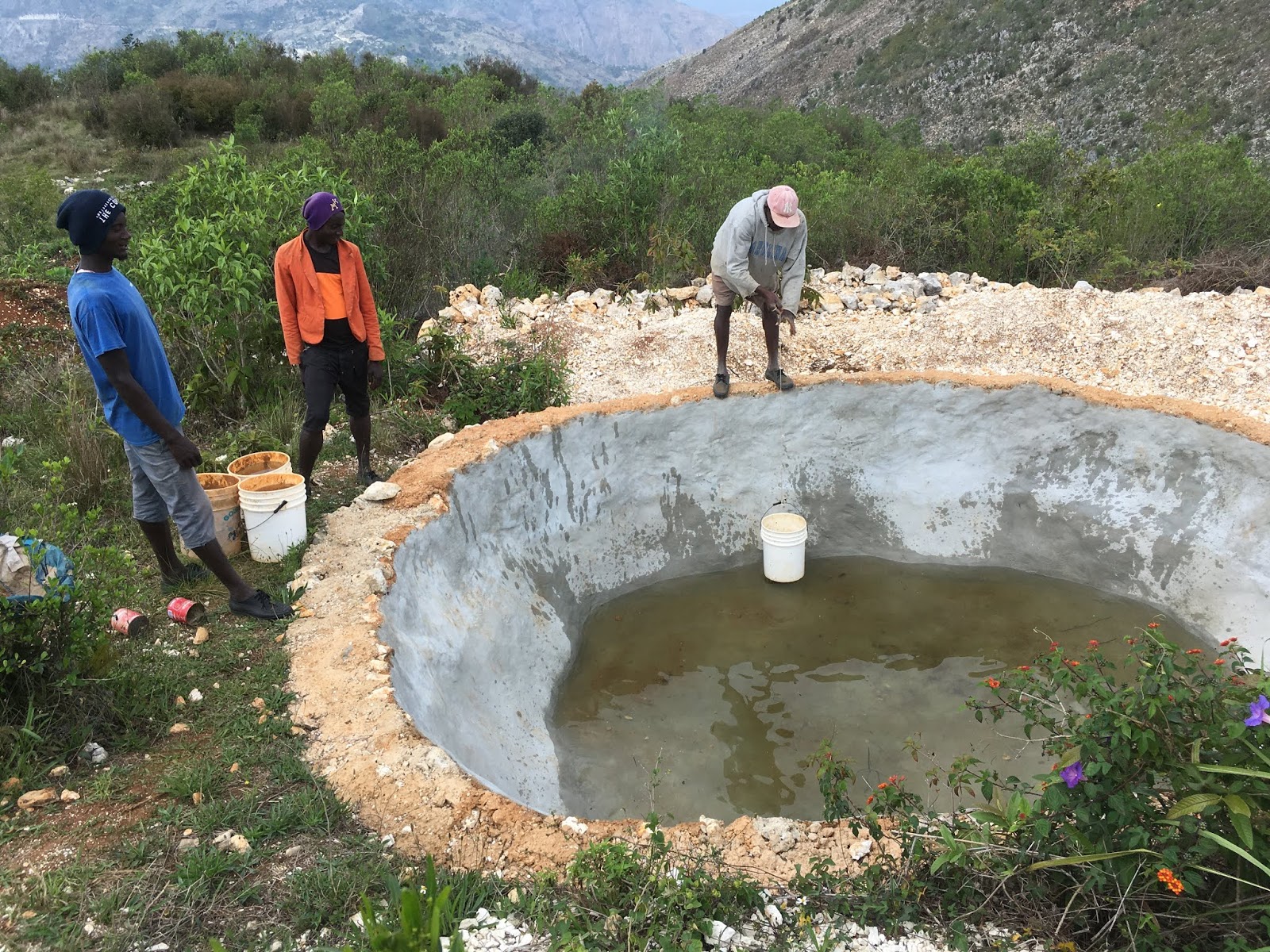
This almost emptied the small amount of rain-water that had collected in the bottom of the new pond.


The tree planting process...

Two or three of the guys walk around an area, finding a spot that looks good they start to dig with a shovel and pick.

Once they have a good hole dug they walk about 10 or 15 feet away and start again.

Sometimes they find too much rock underneath a bit of dirt and then they move on to a new location.

With the bushes and grass growing up it is hard to see many of the holes unless you are very close and can see the pile of dirt.

First a bit of fertilizer is put in the bottom of the hole.

The dirt mixed up.

 A tree selected for the hole and then carefully dirt is placed around the roots, gently in an attempt not to disturb the dirt around the roots.

Sometimes a pot from the nursery contains 4-5 trees and they need to be carefully separated to be planted individually in their own holes.

Once the dirt has been returned around the tree a second planting occurred.

An second scoop of fertilizer was placed in a line near the edge of the planting hole and mixed into the dirt.

Then 2-3 squash seeds were planted, covered up, and the dirt gently pushed down by a foot.

A small died stick marked the locations that had squash seeds.

Some trees being more sensitive or having had more roots cut off to remove them from the nursery or the pot may have received water right away.

 In addition the sod from the hole or rocks that came from the hole were placed on the down hill side to help hold the soil in place when the rains do start.

Because Fritz and I completed our third grade work on Thursday morning we helped plant on Thursday afternoon, Friday morning and afternoon.

A variety of trees were planted including: egg fruit, mulberry, apple, cherimoya [custard apple], black sapote, velvet apple, grapefruit, jackfruit, mango, sapodilla, rumberry, pawlonia (lumber tree), loquats, peach palm, asai palm, guava, and macadamia.


Saturday, March 23, 2019

Haiti Visit by Cory and Church Visit Schedule.


We share about the work in Haiti:
March 24, 11am service, Central Wesleyan, Jackson Michigan
March 31,  9:30 am service Living Hope Community, Richland MI
March 31, 6:30pm service, Diamond Springs Wesleyan

The trip to Haiti went well. The country has been mostly calm the past few weeks but there are reports of potential serious trouble at the end of March. 
Broccoli and other vegetables

The politics are complicated and partly international so it is hard to predict.

Just before going to the airport on our return we had a good meeting with 3 of the top leaders of the Haitian Wesleyan Church: Pastor Denor, Pastor Doucet, and Pastor Clother. 

They advised that due to the potential problems, we wait until April 8 to decide when the Wesleyan missionaries should return. They think if Haiti is calm until then, it is likely to stay calm.
Planting the dormant apples

The time at Delice was encouraging. The nursery and small garden (irrigated due to dry season) are growing well. It was good to see many types trees and vegetables growing at a good speed. 

The cool weather slows the growth of most plants but the good side is that weeds also grow much slower than they do down in the hot areas.

The workers never had broccoli and were impressed with how “sweet” the raw stem part was. One, impressed with the diversity, kept asking if this or that tree would produce anything.

Macadamia tree 

We planted the 33 grafted apple trees, each a different variety shown to do well in the tropics. 

With all these we should have late storage apples available until the early varieties start to ripen. 

Some may even produce more than one crop per year. Varieties planted include Fuji, Gala, Granny Smith, Arkansas Black, Coconut Crunch, Cinnamon Spice… 

The photos are from this week.


Too much erosion from years of growing corn and beans in Delice area!

Spineless Peach Palm and Black Sapote I gave a few years ago at Clean Water for Haiti, in a dry area near the sea.

Moringa products for sale at Port au Prince Airport.

Friday, February 17, 2017

Tree Planting Trip

Earlier this week, we  loaded up the truck with an assortment of trees, plants, and cuttings.

Then we bumped our way two hours east, out to The Children of the Promise Campus where we introduced my folks to friends and made some new friends.

Cory looked over the campus to decide where the different trees could be placed depending on the size of the tree and how much flooding it may need to tolerate.

Wednesday morning we played with some of the children, talked to various house parents/staff about the types of fruits or trees they preferred around the homes, and Cory placed the potted trees/plants around the grounds.

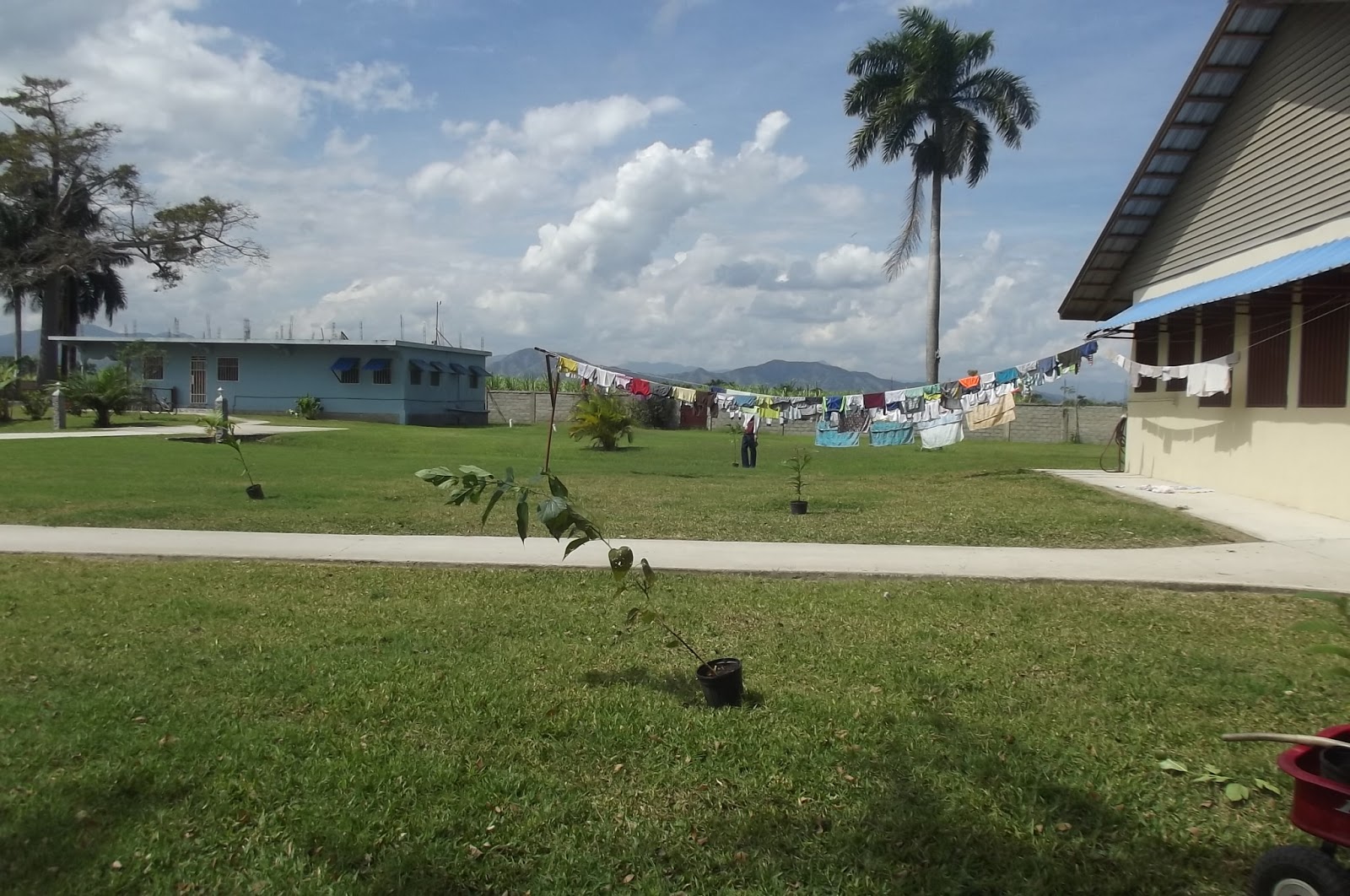
Following lunch, Cory directed the planting and watering of the trees, including: egg fruit, malay apple, mango, mulberry, starfruit, face roselle, chaya, edible hibiscus, aloe, miracle fruit, bilimbi, biriba, black sapote, jack fruit, dragon fruit, and Barbados cherry.


Ma'afala breadfruit in background to the right of the gentleman.
Cory, Dad, and a staff member also made a delivery to a local Pastor of some trees and plants. Because they happened to be leaving the COTP campus at shift change, they also gave a ride to some of the staff going their direction.

The church/school yard had a good size breadfruit that Cory brought a few years ago and people are asking for more to plant.

The photo is a 4 acre field that the pastor bought to plant and help the community. the former owner had planted one of the new breadfruit and a few local fruit trees. It is good to see the new varieties growing well and starting to produce.

Back at COTP we enjoyed our time learning about the staff and ministry.

After a few more chats and planting on Thursday morning we packed up and headed further east to see the Trou de Nord Wesleyan church and drop off the remaining fruit trees.

Since the phase-one dedication that my family attended a couple of years ago, the church building continues with most of the windows containing nice iron work.

Additional buildings in the church yard include the start of a parsonage and completed bathroom. The banana plants and garden on the property look productive.

Although Pastor Rigo could not meet with us, he reported that the church family now includes 200 new families in need of Konsey books.

Brother Eli met with us and told us that between 600-700 people attend weekly services and occasionally the church is full.

Turning the truck back west to head home, we did stop for one more agricultural visit at Helping Haitian Angels.

Parsonage under construction
Cory and the guys planted some trees at their location almost a year ago and this Wednesday received an email about giving some advice about planting a large garden including fruit trees.

So we stopped in to see how the first trees fared and talk a bit about the new plans. Last year's trees suffered during the dry season due to staff leaving but many of the trees were recovering from the past few months of abundant rain.

 Cory will continue to advise by emails and phone calls and hopefully get them some additional trees to bless the children and families.

We enjoyed some hamburgers and hot dogs in Cap Haitian on our ride back home.

We pray that the trees and plants will grow big and strong and be a blessing to many people as they produce fruit, and seeds for planting.

Thursday, October 13, 2016

Trip planning...& trees for sale.

It looks like early next week we will be making a trip to Southern Haiti where the hurricane destroyed the fruit trees and gardens.

Will try to post a few details and a list of prayer requests before we leave.

This week Cory's guys started digging breadfruit root cuttings of the quick bearing Ma'afala variety to build up a good supply to ship or deliver to Southern Haiti. The existing breadfruit variety in the damaged area will sprout many root suckers for regrowing or transplanting so there shouldn't be a need for that variety.

Cory checked what types of coconuts would be strongest in high winds, disease resistant and produce well. He was surprised to find that the strange mutant looking short coconut trees near our favorite beach must be 'Fiji Dwarf' coconuts, one of the top recommended varieties now in Florida due to high disease resistance. He plans to start buying coconuts to use as seeds for new trees. We've also started to save more seeds from various fruits now in season to send south.

For some places the complete destruction will allow for improvement on what was once there. Maybe the trees and corps will be more diverse as the areas get replanted.

A good lesson that both missions and homeschool taught me and remind me of often... to take the time to occasionally check out what is working and what is not and adjust procedure as needed.

This week Cory and I created a new section in the plant nursery for 'sales' .

As more people learn about Cory's trees they tend to drop in to pick up a few trees without notice. Cory and the guys try to head across the river about once a week to check the gardens there and work on them....leaving the non-plant expert here to sell trees.

Last time a man didn't really care that he could be buying a black sapote or and egg fruit, [Cory thinks maybe he got an avocado as one is now missing from that area].

Yes, I do know and recognize some of the trees....but Cory has lots of trees in the nursery and when they are little some have very similar leaves...if you are not an expert on rare tropical fruits.

another nursery area
Another issue we're hoping this helps with is that before when people came for plants, because different trees were scattered here and there-they would see other trees they wanted to buy but some trees Cory has plans for or are experimental and he's not ready to distribute them.

Now with a nice area with trees for sale I can sell without worrying about letting some special tree of Cory's go accidentally. The trees are organized by row and I hold a list of names so I don't sell the wrong type of tree.

Trees in a plastic bag 25 Haitian gouds or 50 for a tree in a plastic pot. Grafted trees cost more. Return the pot for a 25 goud refund. We may add a 50 goud section for rarer trees or decorative plants that Cory doesn't like to spend as much time on. [64.76 goud to a USA dollar-as of this morning.]

So currently selling: egg fruit, black sapote, malay apple, breadfruit, starfruit, mulberry, bilimbi, jackfruit, grafted mangoes, cupuasu and biriba. Grafted avocados in a month or two.

Saturday, September 10, 2016

Garden Update by Cory


We hiked to the new gardens Thursday this week.

We need rain, things are still green but even some established trees are wilted.

Gardeners in the floodplain are busy preparing gardens and planting peanuts.

The share cropper has part of our big garden freshly planted to rice.

Note the erosion control berms made of the old weeds.

I have expressed concern to him about topsoil erosion and the berms are the usual local practice although of limited effect on soil loss from our heavy downpours, about 150 inches of rain in a normal year.

It is good having someone working the garden for free to help keep livestock out but he isn't there all the time.

A neighbor reported that he tied up a big cow that was in the garden and said we should come more often.

Damage was minor with nibbles here and there and only one palm mowed off.

I sprayed most of the trees/palms on the underside of young leaves and at the base with deer/rabbit repellent, will see if it keeps livestock and rhino beetles from eating the trees.

Peach palms on campus are blooming again as harvest starts.

One tree that had a small bunch of small fruit last year has four good size bunches now and several flower buds.

 The fruit are much bigger than they look on the tree.

The flavor is good.


Fruit harvested on campus this week:
front - 3 banana varieties (Gros Michael, Ceylon/little Cory, and a FHIA hybrid), breadnut, hot bird peppers, miracle fruit and two barbados cherries/acerola, wild passionfruit.

2nd row - bilimbi (sour fruit) peach palm, sapodilla, breadfruit slice.

3rd row - starfruit/carambola,

4th row - Blanc' mango, atemoya, cacao, avocado, biriba, 'Baptiste' mango.


5th row - squash, black sapote, coconut.

Not included but also producing: guava, African oil palm, regular passionfruit. There would probably still be a few pineapple but the last few disappeared before full size.


Thursday, March 24, 2016

Helping Haitian Angels


Cory, Gener and Yvon brought a few dozen fruit trees on Wednesday to plant at the Helping Haitian Angels orphanage, about 15 miles east of Cap Haitian.

A strong breeze comes in off the nearby sea most of the time and the climate is closer to semi-arid LaGonave than rainy Port Margot.

It has been a few weeks since the last good rain so it was a pleasant surprise to find the soil was good and deep, relatively easy to dig, and still moist.

Most of the trees planted are drought resistant, like mango, egg fruit and avocado. Since the soil is deep, other species will also probably do well.

A few each were planted of starfruit, jackfruit, black sapote, everbearing mulberry, peanut butter fruit, and a few others to see how well they grow.

A few kids helped plant the last few trees, and then carried water for each tree.

A second trip will probably be made soon to finish planting the area.

We pray that the future fruit will be a blessing to the children and spread to surrounding farmland.

Link to the Christian orphanage website:

http://www.helpinghaitianangels.org/


Thursday, January 14, 2016

Gener's Garden, by Cory

On Monday Cory, Gener and Yvon went up the mountain in back of the mission for a 3rd planting of fruit trees. [Cory doesn't carry any on his head so can't carry as many!]

They can only carry about 16 potted trees plus tools each trip.

The walk takes about 15 minutes, the path is steep and has a great view of the Port Margot valley.


The garden is next to forest that grew up on former garden land at the top of the small mountain.


Since the garden is on the northwest slope of a hill, the sun doesn't dry the ground much this time of year.


The planting was mostly egg fruit and peach palm, with a few jackfruit, malay apple, and black sapote.

On Tuesday Cory and Jean Pierre went to Cap Haitian to deliver more fruit trees to the Deep River Mission guest house.

He also brought Konsey II and Konsey for Kids books that will go to 5 Lutheran churches and schools.

A truck with 4 police met Cory on the road near the guest house and thought Cory lived there.

We are thankful to have had good relations with the police in Port Margot. The Cap Haitian police were out getting to know the community.
There are a few young mango trees to graft new varieties.

There are many new houses being built in the area.

Cory offered to translate for the owner so they all went into the yard and they did introductions.

They were friendly and asked if anyone in the area was causing problems.

Cory gave them each a Konsey II book.

The guest house now has a wide variety of Haitian and introduced fruit trees that guests will be able to learn about and taste.

After unloading the truck, Cory and three others from the guest house went to a town about 20 minutes west of Cap Haitian to visit a doctor they are working with doing the "Garden of Eden" farming method with mulch and no-till.

The mayor of a nearby town was also there and they were both very interested in planting new fruit trees. They were given several varieties of fruit trees to plant.

The photo of Dominican Republic goats on the Kids Konsey book cover led to some enthusiastic discussion of goats and dairy goats. Haitians are amazed that a large dairy goat can give a gallon of milk per day, which is considered a lot for a milk cow here to give.

Post by Cory. Sorry no pictures from Tuesday, which was also the 6th anniversary of Haiti's most recent big earthquake. Today marks two years since our adoption chart entered IBESR...praying to exit.

Monday, January 11, 2016

Roots-good and not so good.

With Anna's ankle still recovering we did not attend the volleyball games on Saturday, so a quiet weekend for us.

One thing that Cory and I worked on a couple days last week consisted of repotting some trees.

The bags used to plant the trees in ended up being biodegradable.


While this may work for plants and trees that only need to be in the bag a very short time, it did not work for slow growing star fruit trees.

Some of the egg fruits and black sapote trees also needed to be transferred.

Cory plans to have the guys try to sell some more trees either by the gate or at the market soon.

 Mulberry trees near the other trees also complicated things as their aggressive roots entered the bags.

A few of the very small, struggling trees we planted into plastic pots, knowing they will take a while to grow strong.

Why not plant all the trees in pots?

Because they are more expensive and not everyone can bring pots back so it is better have some to sell or give away in bags.